
5 Genius Router Jigs Every Woodworker Should Know
If you’re just getting started in woodworking and don’t have a jointer or thickness planer, don’t sweat it. Those tools can cost you well over $1,000, and in a small shop, space is just as valuable as cash. But here’s the good news—you can still flatten, joint, and prepare boards perfectly flat using a few clever jigs.
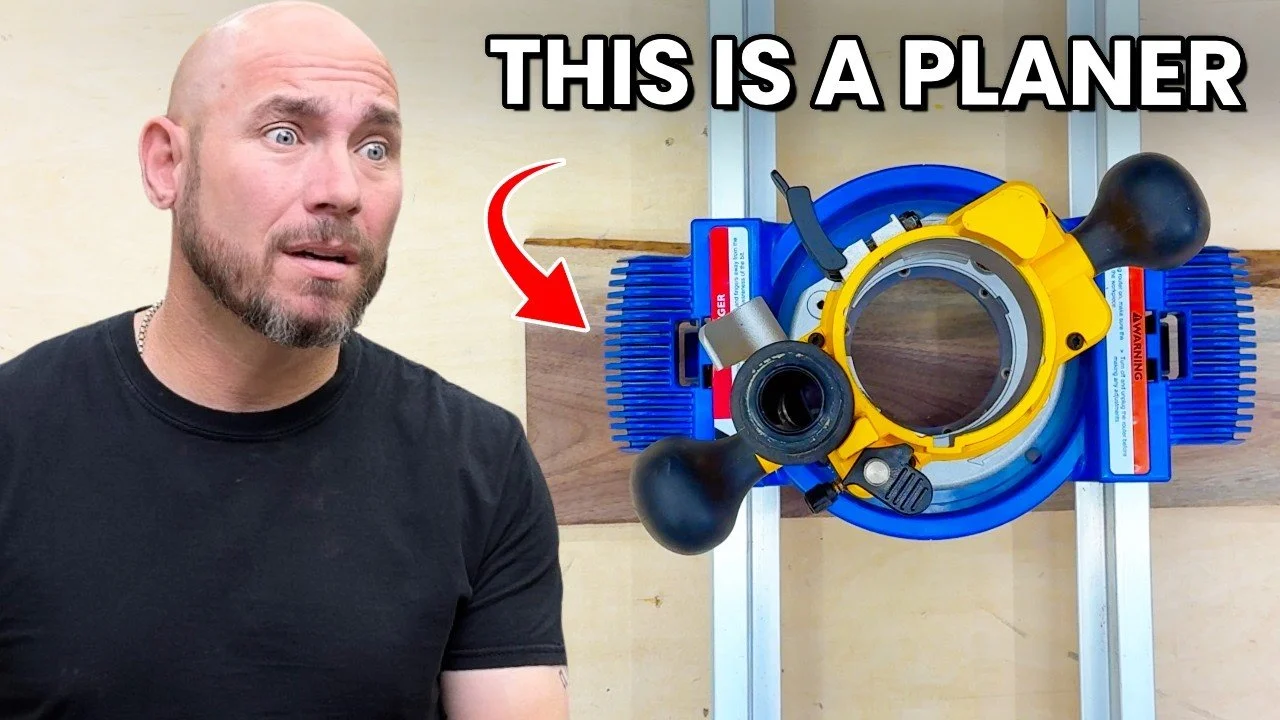
Today, I’m breaking down five woodworking jigs (including some from Rockler and 731 Woodworks) that can replace a jointer and planer, help you make cleaner cuts, and keep your projects square, safe, and accurate.
Affiliate Disclaimer
This post contains affiliate links, which means I may earn a small commission if you buy through them—at no extra cost to you. It helps keep the tool deals coming, so thanks for your support! Prices are valid at the time of posting but may change anytime.
Watch The Full YouTube Video Here: I Found Woodworking Jigs That Replace EXPENSIVE Machines (genius)
🪚 Why You Don’t Need a Planer or Jointer to Get Perfectly Flat Boards
Most beginners think they need a full-size jointer or planer right out of the gate. Truth is, a good router jig setup can do both jobs—face jointing and edge jointing—using tools you probably already own.
That means you can save money, save shop space, and still get professional-quality results. Let’s start with the jig that started it all.
1. Rockler Board Flattening Jig – Your New Jointer Replacement
The Rockler Board Flattening Jig lets you use a midsize router to flatten wide boards, slabs, and cutting boards—up to 18" wide and 28" long. That’s even wider than most benchtop planers.
👉 Shop it here: Rockler Board Flattening Jig
Why I love it:
Works with most mid-size routers (like the DEWALT DW618 or Bosch 1617)
Adjustable rails for precise flattening
Perfect for twisted, bowed, or uneven boards
You can use it for face-jointing and light thickness planing
Pro Tip: Use a spoil board surfacing bit (like this one on Amazon) instead of a straight bit—it gives a smoother finish and reduces tear-out.
And if you’re flattening live-edge slabs or longer boards, Rockler’s full-size slab jig is worth checking out too: Rockler Slab Flattening Jig.
2. 731 Woodworks Jointing Jig – Straight Edges Without a Jointer
You can build this jig yourself with basic tools. It’s designed to joint one edge perfectly straight using your table saw.
👉 Get the plans here: 731 Woodworks Jointing Jig Plans
How it works:
Made from ¾" plywood with dovetail tracks
Uses Microjig Dovetail Clamps or Quick Clamps
Holds your board straight as you run it along your table saw fence
Produces two parallel edges without needing a jointer
Matt’s Tip: Keep your jig around 36" long—it’s stable, fits most saws, and won’t tip over when cutting longer boards.
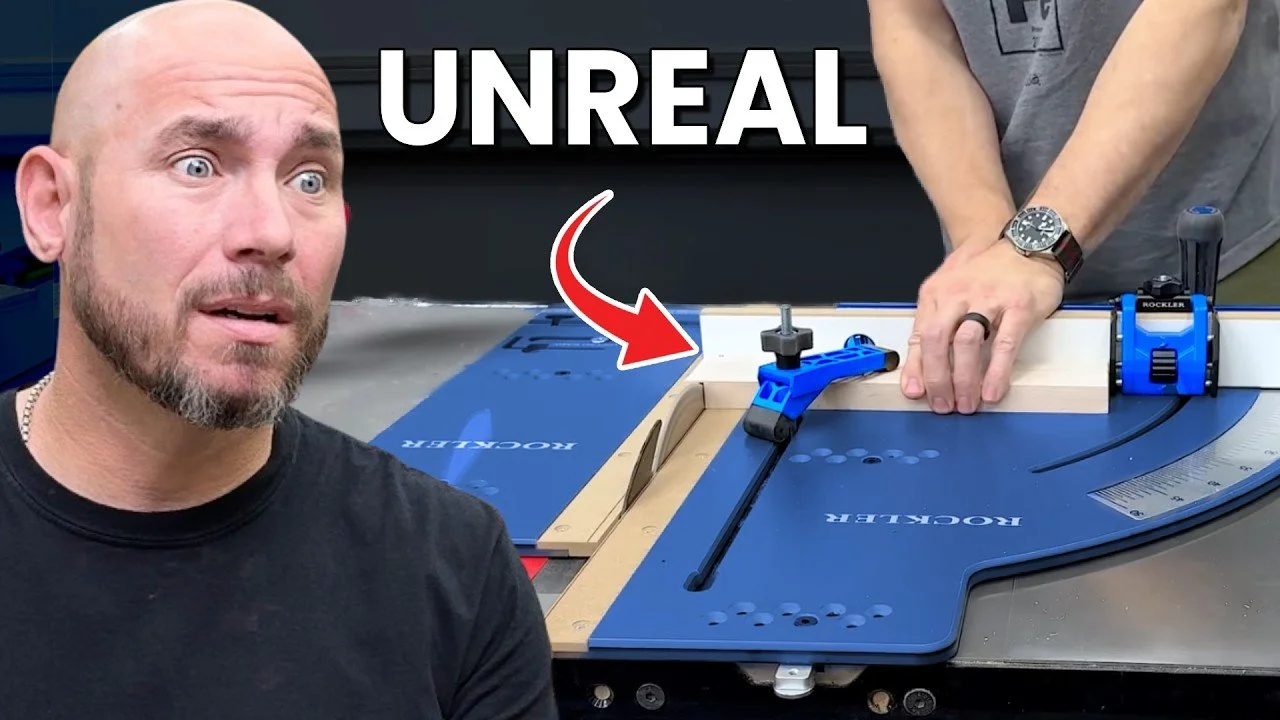
3. Rockler Thin Rip Jig – Consistent, Repeatable Thin Strips
If you’ve ever tried cutting thin strips on a table saw, you know how sketchy it can feel. The Rockler Thin Rip Jigfixes that by letting you set precise measurements and repeat the same cut safely.
👉 Shop it here: Rockler Thin Rip Jig
Key Features:
Roller bearings keep wood gliding smoothly
Micro-adjustable gauge lets you repeat cuts accurately
Fits standard miter slots
Perfect for trim, inlays, or small woodworking parts
This is one of those jigs you don’t realize you need until you use it—then it lives on your saw forever.
4. Rockler Corner Clamp Jig – Perfect 90° Assembly Every Time
You can’t build square furniture without square corners. The Rockler Corner Clamp Jig is an awesome little helper for box, cabinet, or frame assembly.
👉 Check it out here: Rockler Corner Clamp
What makes it great:
Holds two boards at 90° while you drill, glue, or fasten
Non-slip feet for stable use
Quick-release clamps make setup fast
Exactly ¾" thick, so you can use plywood scraps as support spacers
This simple tool saves a ton of frustration—and it’s perfect for solo builders.
5. Router Table Crosscut Jig – Safer, Cleaner Cuts Across the Grain
Crosscutting on a router table without support is asking for tear-out (or worse). A router crosscut sled fixes that. You can build this one in under an hour using scrap plywood.
Materials:
10" x 10" base of ¾" plywood
3" front handle strip
Two holes for clamping shorter pieces
It gives you better control and accuracy when routing end grain and keeps your hands safely away from the bit.
👉 Want plans for this and other jigs? Check out 731Woodworks.com for build plans, router tables, and furniture projects.
🧰 Bonus Tools Featured in the Video
Here are some of the tools I used and recommend:
💡 Final Thoughts: Work Smarter, Not Richer
You don’t need to spend thousands on machines to build beautiful, flat, square projects. With these router and table saw jigs, you can build furniture-grade pieces using just a few smart setups.
Remember: safety comes first. Always wear hearing and eye protection, use featherboards or push blocks (like the Microjig GRR-Ripper), and take shallow passes with your router.
👉 Check out more posts below for beginner woodworking tips, tool reviews, and shop upgrades that make a big difference in your work.


The best tools at Lowe's in 2026, from a $25 Klein screwdriver to buy-it-for-life JessEm jigs. Plus the Bosch, DeWALT, and Kobalt deals worth grabbing before they end.