
Beginner Table Saw Mistakes You Must Avoid (A Complete Safety & Setup Guide)
If you’ve ever stood in front of a table saw feeling a little nervous, you’re not alone. This tool can be intimidating for beginners — but with the right knowledge and setup, it can also become one of the safest and most rewarding tools in your shop.
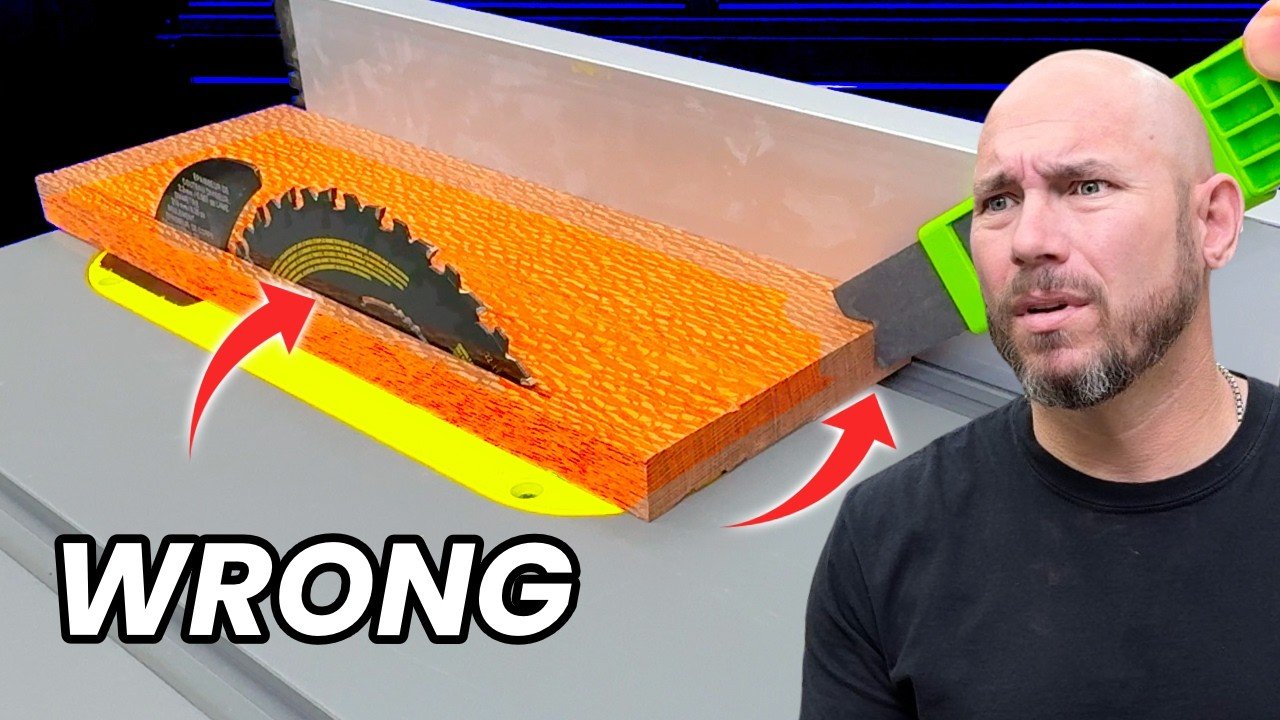
In this post, we’ll go over the most common beginner table saw mistakes, how to avoid them, and the essential upgrades that’ll help you get cleaner, safer cuts every time.
Affiliate Disclaimer:
This post contains affiliate links, which means I may earn a small commission if you buy through them — at no extra cost to you. It helps keep the tool deals coming, so thanks for your support! Prices are valid at the time of posting but are subject to change at any time.Watch the Full YouTube Video Here: NEVER Use a Table Saw Like This (Most Beginners Do)
Why the Table Saw Deserves Your Respect (and Confidence)
The table saw is the heart of most woodworking shops — but it’s also the one tool that causes the most injuries every year. The good news? Most of those accidents are 100% preventable.
Before you ever turn the saw on, you need to understand the parts, setup, and safety steps that keep you out of harm’s way.
The 3 Types of Table Saws Beginners Should Know
If you’re shopping for your first saw or thinking about an upgrade, here’s a quick breakdown:
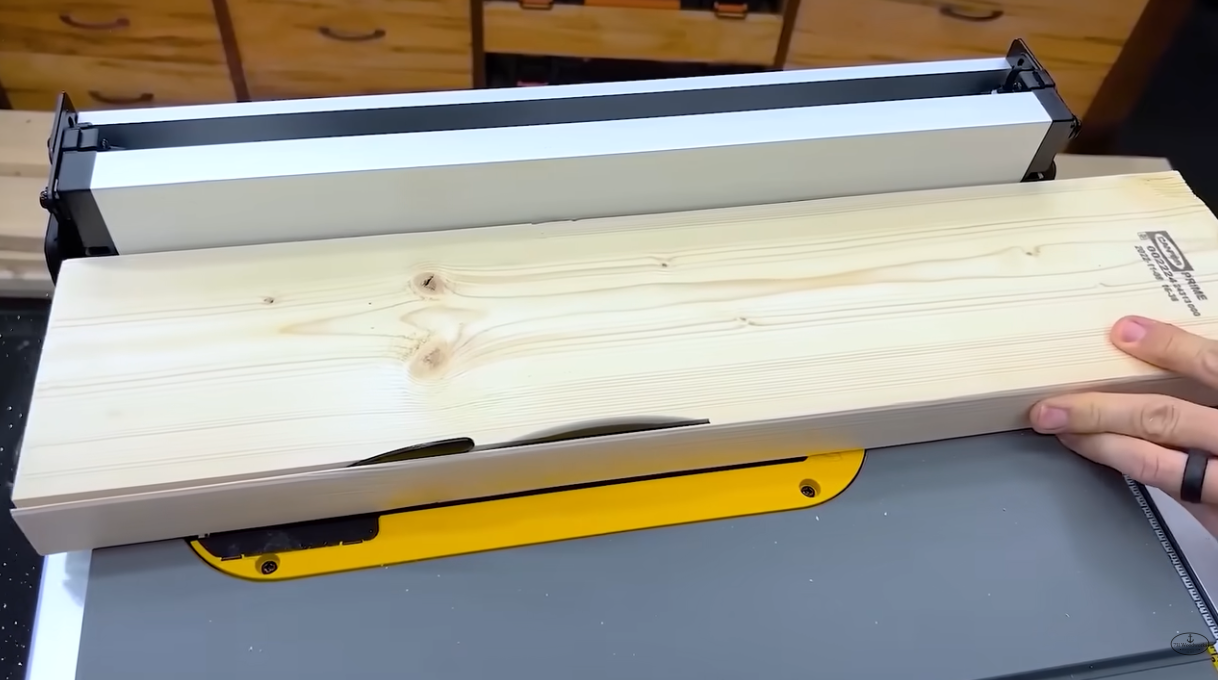
1. Jobsite Saws
Portable and compact — perfect for small shops or working out of your garage or driveway.
Great picks:
2. Contractor Saws
A step up in power and table size. More stable with heavier, cast-iron tops.
Try the Delta 36-725 Table Saw — one of my favorite starter saws under $1,000.
3. Cabinet Saws
The big leagues. Built for precision and power.
The SawStop PCS Table Saw offers top-tier performance and unmatched safety tech.
Table Saw Parts Every Beginner Should Understand
Knowing your saw’s parts helps you set it up safely and use it accurately.
Fence: Keeps cuts straight. Make sure it locks parallel to the blade.
Consider upgrading to a TSO Fence System for DEWALT.Riving Knife: Prevents kickback — never remove it unless using a dado stack.
Blade Guard: Keeps your hands safely above the blade.
Miter Slots: Where your miter gauge and sleds slide.
Blade Basics: Choosing and Maintaining the Right Saw Blade
Tooth Count Matters
24-tooth – Fast rip cuts
40-tooth – All-purpose
80-tooth – Fine crosscuts on plywood or trim
My top blade picks:
DEWALT 2-Pack – Great value for most projects
CMT Orange Chrome 40-Tooth – Clean, smooth cuts
Diablo 10” 40-Tooth – A budget-friendly favorite
Pro tip: A “dull” blade is often just dirty. Try cleaning it with Simple Green and a blade cleaning kit.
10 Beginner Table Saw Mistakes to Avoid
1. Skipping Setup
Your fence and blade must be perfectly parallel to the miter slot.
Use a combination square or digital angle gauge to dial everything in.
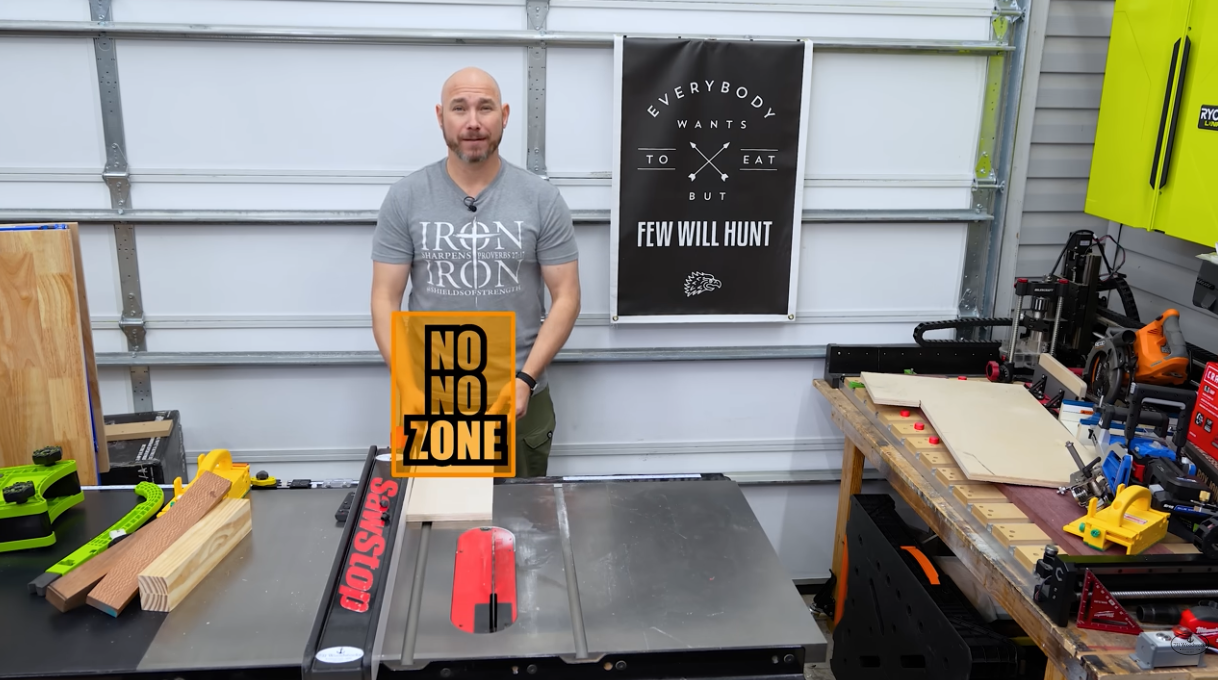
2. Standing in the Kickback Zone
Never stand directly behind the blade. Stay to the left side so any kickback flies past you, not into you.
3. Wrong Blade Height
Keep the blade just above the gullet of the teeth — not fully exposed.
4. Cutting Warped or Bowed Boards
If your lumber rocks on the table, don’t cut it. Flatten it first or use a jointer sled.
5. Removing the Riving Knife
It’s there to save you. Keep it installed.
6. Reaching Over a Spinning Blade
Never grab offcuts near the blade until it’s fully stopped.
7. Freehand Cuts
Always use your fence or miter gauge — never guide stock by hand.
8. No Outfeed Support
Use an outfeed table or roller stand to prevent boards from dropping mid-cut.
9. Cutting Tiny Pieces
Use a sled or jig for small cuts — not your fingers.
10. Rushing the Cut
If it doesn’t feel right in your gut, don’t make the cut.
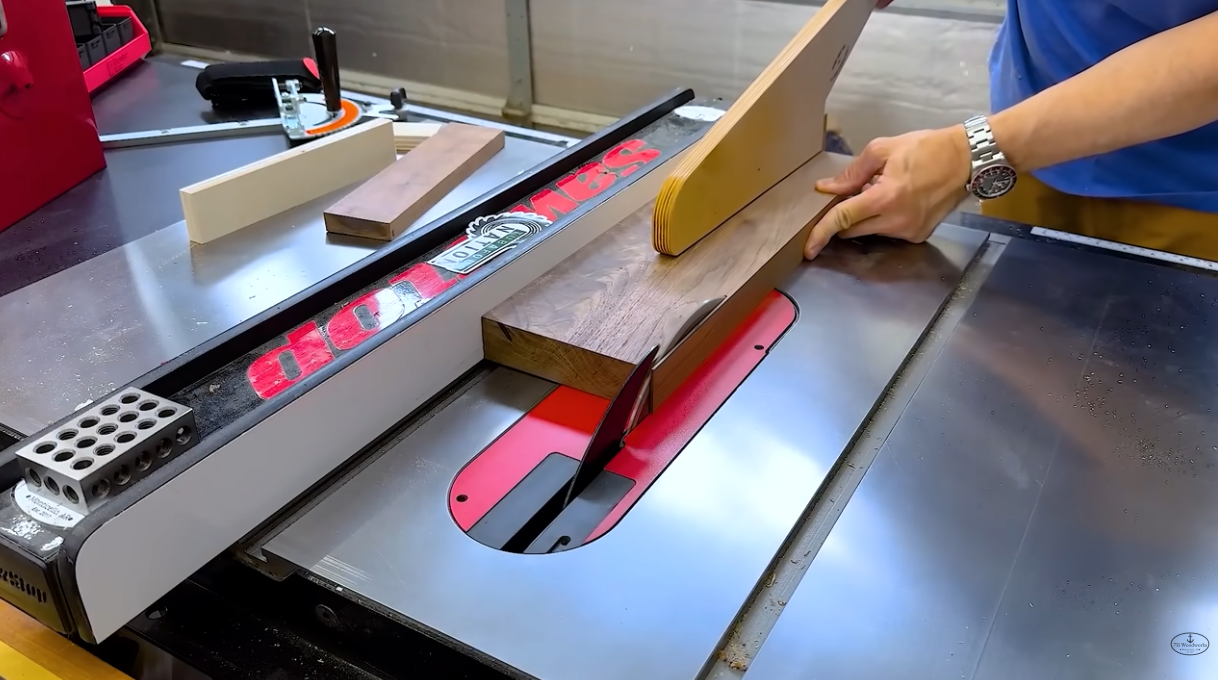
Push Sticks & Safety Tools You Should Be Using
Your hands are worth more than any project. Use these tools to keep them safe:
MicroJig GRR-Ripper – My go-to for narrow cuts
Milescraft Grabber Pro – Great ergonomics
Bow Push Stick – Foam-tipped for safety
Bow Featherboard – Keeps wood tight to the fence
Bow Xtender Fence Bundle – Adds infeed/outfeed support
My Favorite Beginner Table Saw Picks (for Every Budget)
Best under $350: SKIL 10-inch Table Saw
Best under $700: DEWALT 10-inch Table Saw
Best under $1,000: Delta 36-725T2
Best premium saw: SawStop PCS
Shop Safety Always Comes First
Always wear eye and hearing protection.
Avoid loose sleeves, jewelry, or gloves near spinning blades.
Unplug your saw before changing blades.
Respect the tool — don’t fear it.
If you need a good dust setup, try pairing your saw with the Harbor Freight Hercules Dust Extractor and a Dust Mask.
Final Thoughts: Confidence Comes from Understanding
When you know how your table saw works, you’ll not only get cleaner cuts — you’ll work safer and smarter. Take the time to set it up right, use proper safety gear, and never rush a cut.
If you found this guide helpful, check out more of my woodworking safety and beginner tutorials below.
And if you’re starting to sell your woodworking projects, join my free Woodworking Coaching Community on Skool— it’ll walk you through how to get your first sale step-by-step.


The best tools at Lowe's in 2026, from a $25 Klein screwdriver to buy-it-for-life JessEm jigs. Plus the Bosch, DeWALT, and Kobalt deals worth grabbing before they end.