
7 Pieces of Bad Woodworking Advice That Are Costing You Time, Money, and Motivation
When I first got into woodworking, I followed all the “expert” advice I could find. The problem was, a lot of that advice made things harder, more expensive, and pretty discouraging.
If you’re a beginner on a tight budget, this post might save you months of frustration — and money you don’t have to waste. I know because I’ve been there.
Today, we’re going over the worst woodworking advice I wish I had ignored when I started out. Stick around, because the last one is what holds most beginners back the longest.
Affiliate Disclaimer
This post contains affiliate links, which means I may earn a small commission if you buy through them — at no extra cost to you. It helps keep the tool deals coming, so thanks for your support! Prices are valid at the time of posting but are subject to change at any time.
Watch The Full Youtube Video Here: I Fell for This Beginner Woodworking Trap
1. “Buy Once, Cry Once” — Not Always True for Beginners
You’ve probably heard it before: “Buy nice or buy twice.” That might make sense once you’ve been woodworking for a while, but when you’re just getting started and your wallet’s empty — it can hurt more than it helps.
When I started, we were four months behind on our mortgage and filing for bankruptcy. I didn’t have the luxury of buying the best. I borrowed a circular saw and a couple of drills from family just so I could begin.
The truth is: you don’t need expensive tools to get started — you just need tools that work.
Here are some solid starter picks I recommend:
👉 DEWALT Variable Speed Sander — one of the best under $100
👉 CRAFTSMAN Sander — solid budget option
👉 DEWALT Budget Drill Kit — includes two batteries and impact driver
👉 SKIL 10-inch Table Saw — great for small shops
👉 DEWALT Table Saw — a great long-term upgrade
Start small. Build with what you have. Then upgrade when your projects start paying for themselves.
Want a full breakdown of my favorite tools for every budget? Check out my Tool Buying Guide:
2. “You Need This Tool to Be a Real Woodworker”
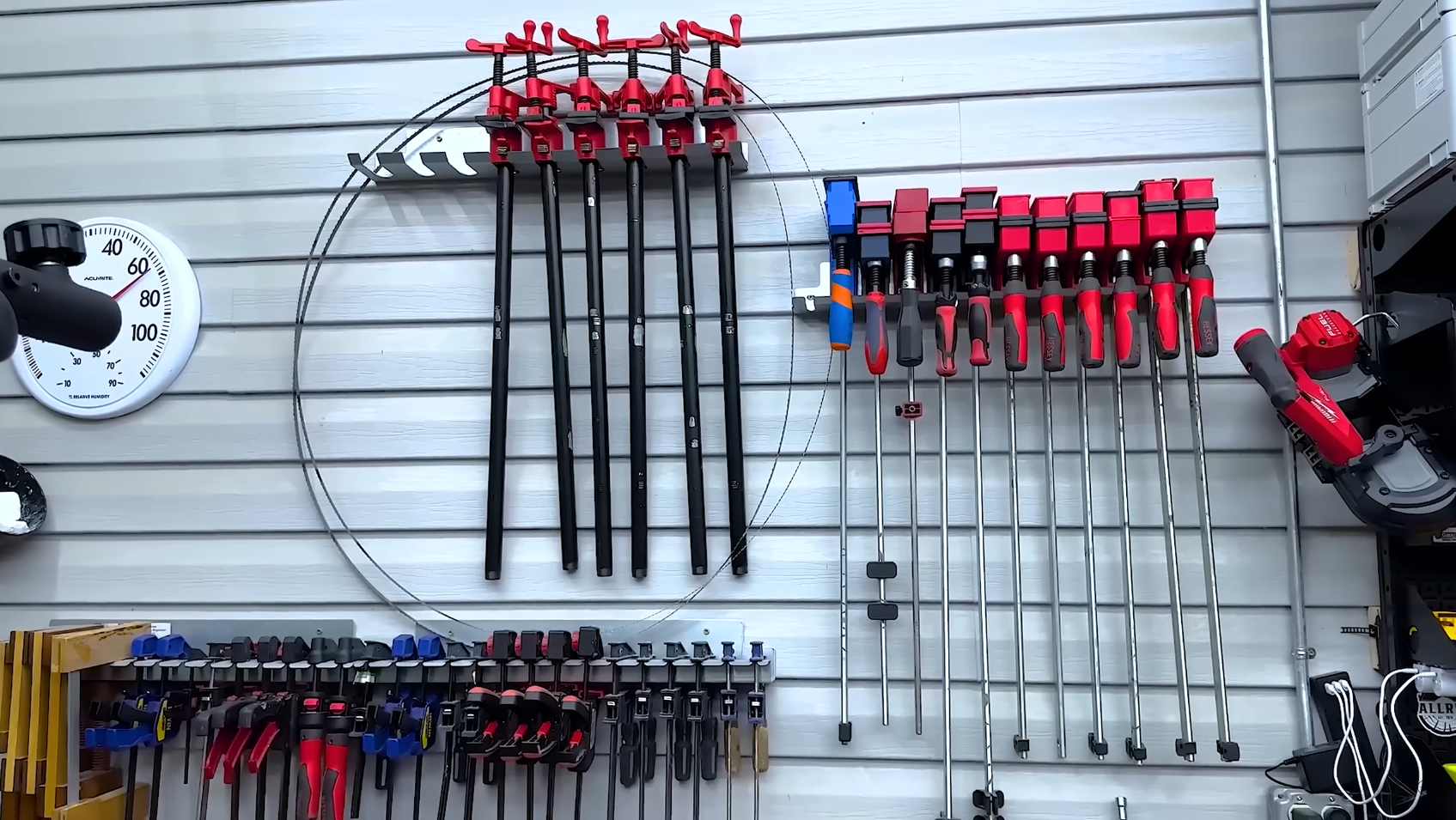
A lot of beginners fall into the trap of thinking they have to buy every fancy tool they see on YouTube to be a “real woodworker.” That couldn’t be further from the truth.
You can build a ton of great projects with just a circular saw, a straight edge, and a drill. I built outdoor furniture — and even a chair in a Home Depot parking lot — using just those three tools.
Start with the tools that solve your next real problem, not the ones that look cool online.
Great Beginner Clamps:
👉 Bar Clamps and Pipe Clamps — affordable and dependable
👉 WEN Parallel Clamps — great budget option
👉 Dubuque Clamps (Amazon) or Dubuque Clamps (TayTools) — made in the USA and built to last
3. “Better Specs = Better Tools”
Just because a tool has more torque, more RPMs, or a bigger blade doesn’t mean it’ll make you a better woodworker.
I love my DEWALT XR Drill, but my budget RYOBI Drill still gets 95% of the work done. Same goes for saws. The SawStop Table Saw is incredible for safety, but you can build furniture all day long with a SKIL 10-inch Table Saw or DEWALT Table Saw.
The key isn’t specs — it’s skill. Keep your blades sharp, your tools clean, and your cuts square.
4. “Build Your Shop Before You Build Projects”
Nope. Backward thinking.
Your projects should determine your tools, not the other way around.
When I first started selling furniture, I used the money from those sales to buy the next tool I needed. One project at a time, one tool at a time — that’s how most shops are built.
If you want your woodworking to start paying for itself, check out my coaching community Sawdust Startups:
👉 https://www.skool.com/sawdust-startups
It’s where over 500 woodworkers learn how to get their first sale, price projects for profit, and scale up. We’ve got live group coaching every week, pricing templates, and a whole community of folks cheering each other on.
5. “Cheap Tools Are a Waste of Money”
Not necessarily. Sometimes a cheap tool is just a stepping stone.
That $20 Hyper Tough sander from Walmart I started with? It helped me sell enough projects to buy my first DEWALT sander. It didn’t last forever, but it got me to the next level.
As long as it doesn’t compromise safety or accuracy, a cheap tool can be a smart move.
Here are some solid affordable picks that’ll help you level up:
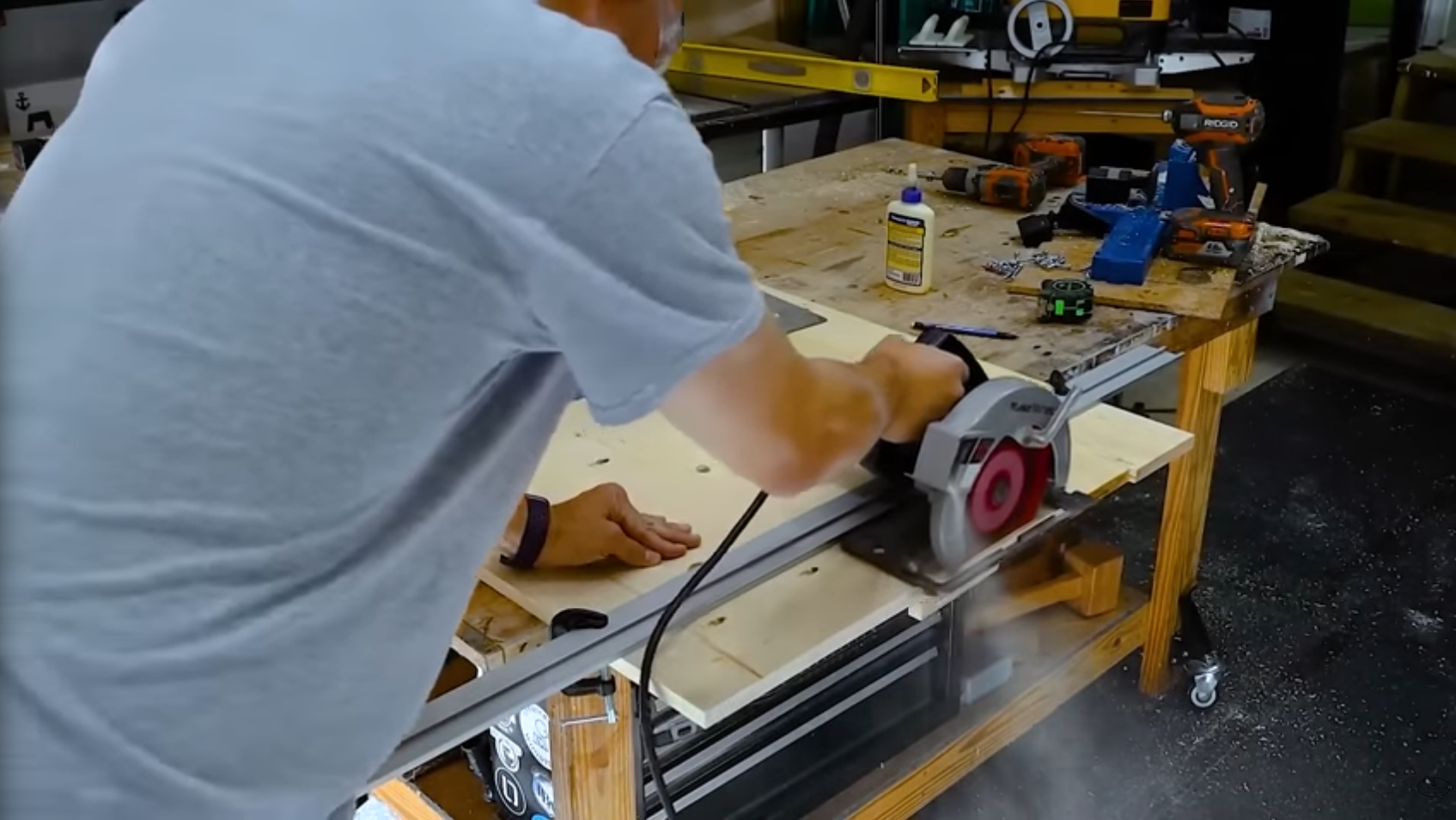
👉 Milescraft Track Saw Guide — turns your circular saw into a track saw
👉 Saw Blades — fresh blades fix most cutting issues
👉 Sandpaper Packs — simple but critical for great finishes
6. “A Better Tool Will Fix My Problems”
This one’s a heartbreaker, because I’ve believed it too.
But 9 times out of 10, it’s not the tool — it’s the setup. Dull blades, cheap bits, and poor alignment cause more headaches than the tool itself.
Instead of spending big, try this first:
Replace dull blades and router bits.
Clean your saw and fence regularly.
Check for proper alignment.
Use safety tools like the Gripper, Featherboards, or a SawStop Table Saw.
Maintenance is cheaper — and usually more effective — than an upgrade.
7. “You Have to Have It All Figured Out”
No, you don’t. Every great woodworker you see online started where you are — learning, struggling, and building with what they had.
Your shop doesn’t have to be perfect. Your cuts don’t have to be flawless. Just keep improving one project at a time.
Patience, practice, and persistence are what build skills — not the fanciest new tool.
Final Thoughts
Bad advice isn’t always bad on purpose. It just doesn’t always fit your situation.
If you’re on a tight budget, remember these three things:
Buy tools that solve your next real problem.
Take care of the tools you already have.
Build what you can with what you’ve got.
And if you want to save money while you grow your shop, make sure you’re on my Daily Tool Deals list — I share the best discounts from Amazon, Lowe’s, and Home Depot every day.
Until next time, keep building, stay safe, and remember — you don’t need the best tools to do your best work.

The best tools at Lowe's in 2026, from a $25 Klein screwdriver to buy-it-for-life JessEm jigs. Plus the Bosch, DeWALT, and Kobalt deals worth grabbing before they end.