
Why You’re Stripping Screws (And the Simple Fix Every Woodworker Needs)
This is one of the most frustrating things in woodworking: a stripped screw. You’re right in the middle of a build, things are going great, and then—zip—the bit spins, the metal shreds, and now you’ve got a permanent problem stuck in your project.
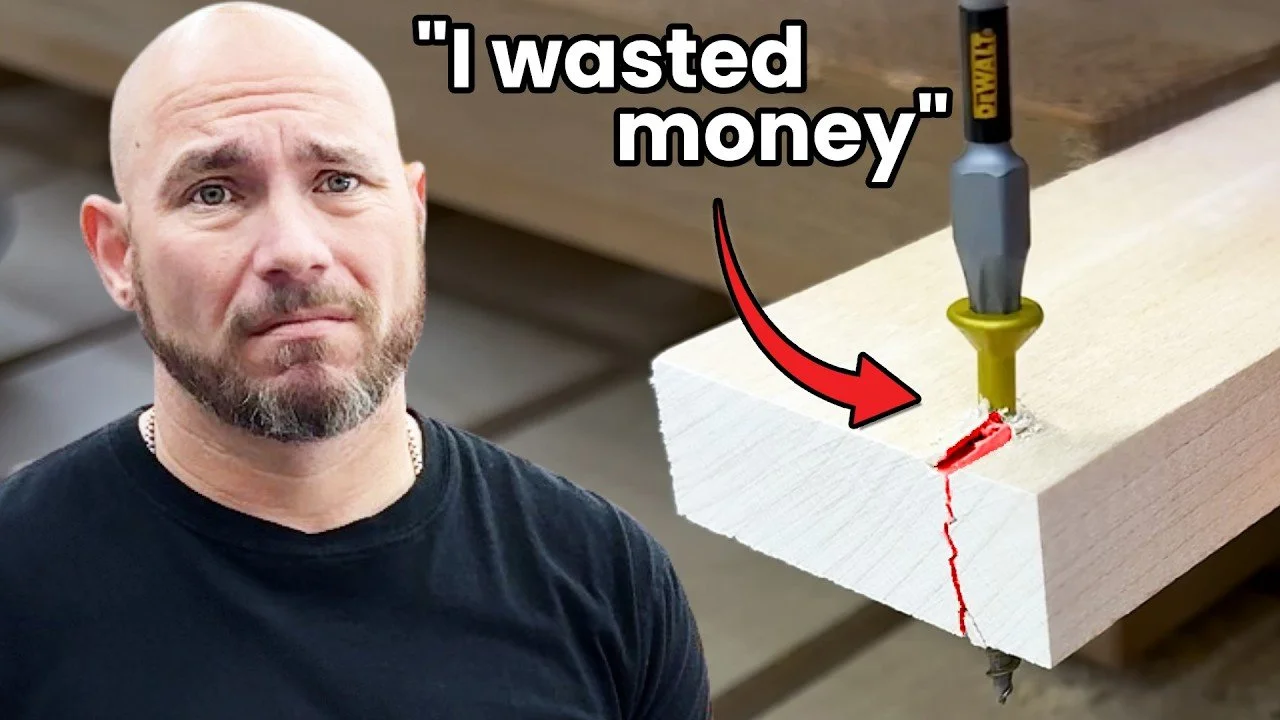
Most folks think it’s their drill, their bit, or even their technique. But I’m here to tell you, it’s usually none of those. The truth is, you’re buying the wrong screws. In this post, I’m going to break down the "why" behind the strip, the "elephant in the room" regarding drywall screws, and exactly which four types of screws you should actually have in your shop to stop the frustration and start building better.
This post contains affiliate links, which means I may earn a small commission if you buy through them—at no extra cost to you. It helps keep the tool deals coming, so thanks for your support! Prices are valid at the time of posting but are subject to change at any time.
Watch The Full YouTube Video Here: NEVER Buy These Screws (Most Beginners Do)
The History of the "Cam Out": Why Phillips Heads Strip
Back in the 1930s, auto engineers needed a screw that wouldn’t overtighten on the assembly line. Henry Phillips developed the Phillips head screw specifically to "cam out." That means once it reaches a certain torque, the bit is designed to slip out so it doesn't snap the screw or damage the car.
That stripping you hate? It’s actually a feature, not a flaw. The problem is that woodworkers today are using a screw engineered for 1930s Fords and wondering why it fails in modern lumber. When you try to drive a Phillips head into a piece of pine, it does exactly what it was born to do: it strips.
The Better Alternative: Torx (Star) Drive
If you want to stop stripping, you need to switch to Torx head screws (often called star drive).
Phillips Head: 4 points of contact.
Torx Head: 6 points of contact.
The geometry of a Torx head actually pulls the bit into the screw. You can drive a 4-inch Torx screw into solid maple smoothly without a single slip. Making the switch from Phillips to Torx is the single biggest upgrade a beginner can make.
Stop Using Drywall Screws for Woodworking!
We have to talk about the "Smitty" in the room. Just because you drive a drywall screw into wood doesn't make it a wood screw.
I see beginners buy these by the bucket because they’re cheap, but they have two fatal flaws:
They Rust: They are simple steel and will rot the moment they see a drop of moisture.
They are Brittle: Drywall screws are made of hardened steel. While they are "strong," they have no flexibility. If your wood moves or there is lateral pressure, a drywall screw will snap off while a real wood screw would just bend.
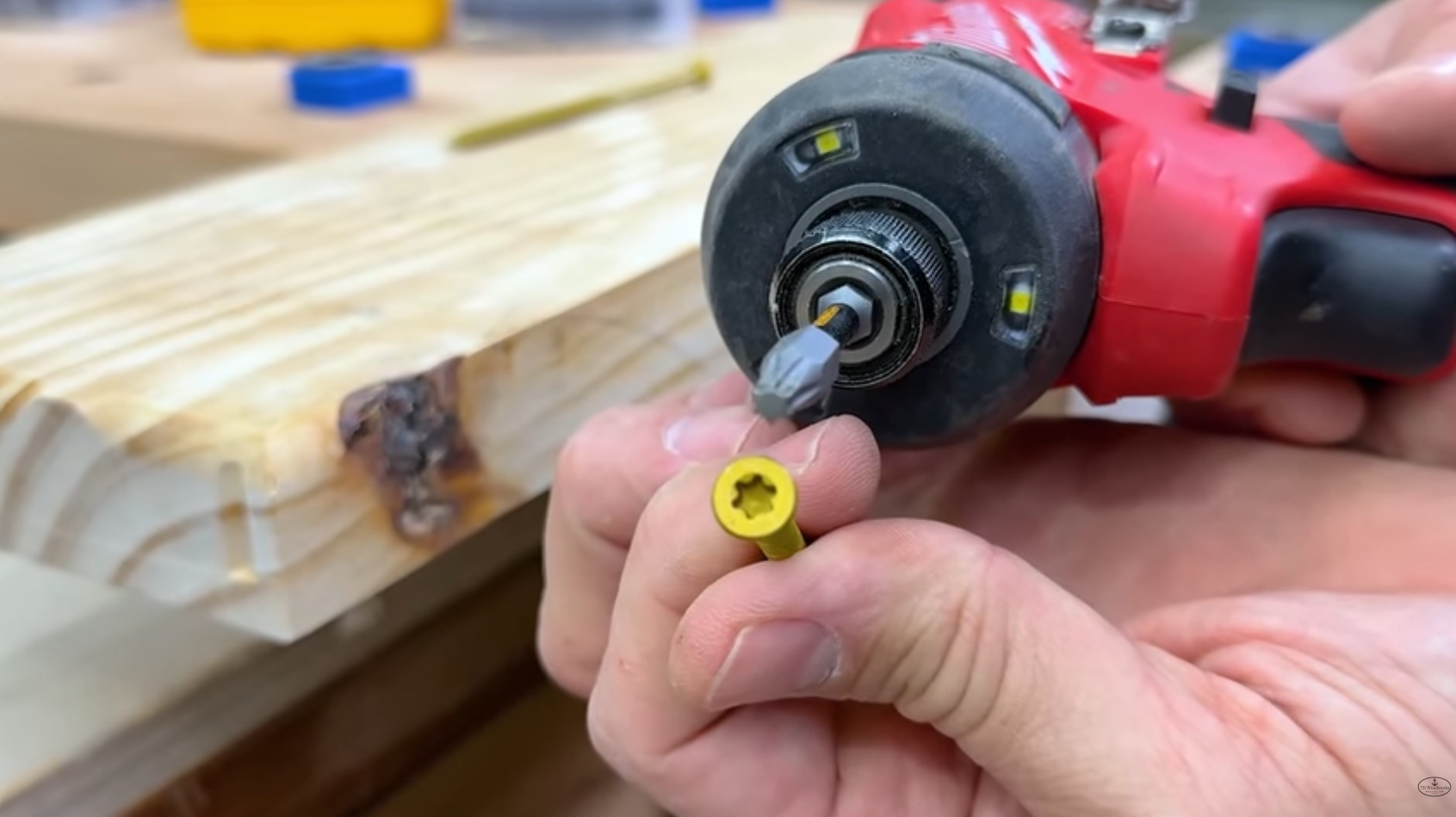
Understanding Screw Anatomy
Before you head to the home center, you need to know what you’re looking at on the box.
Coarse vs. Fine Thread
Coarse Thread: The threads are further apart. This is what you want for 90% of woodworking, especially in softwoods like pine or plywood, because it has more "grabbing" power.
Fine Thread: Use these only for hardwoods (like oak or walnut) to prevent splitting.
Partial vs. Full Thread
Have you ever noticed two boards pushing apart as you screw them together? That’s because you’re using a full threadscrew.
Partial Thread screws have a smooth "shoulder" near the head.
This allows the screw to spin freely in the first board and pull the second board tight against it. Always use partial thread screws when joining two boards together.
The Self-Tapping Tip
Some screws have a little notch at the tip that looks like a tiny drill bit. These are self-tapping. They help the screw grab the wood early, but they don't always prevent splitting near the end of a board. For that, you still need to drill a pilot hole.
The 4 Screw Types Every Shop Should Stock
Don't fall for those "random assortment" kits at the big box stores. They are usually filled with low-quality Phillips heads you'll never use. Instead, build your own kit in a Milwaukee Small Parts Organizer with these four:
Torx Drive Wood Screws: Your go-to for general construction and furniture. Grab a set of Torx Wood Screws here.
Pocket Hole Screws: These have a flat "washer head" designed to sit in the pocket without blowing through the wood. Kreg Pocket Hole Screws are the gold standard.
Outdoor Coated Screws: Look for Spax or GRK. These have a special coating to prevent rust on decks or outdoor furniture. Check out Spax Outdoor Screws.
Stainless Steel Screws: Essential if you live near the coast or are building something that will be constantly wet (like a dock or a planter). Stainless Steel Assortment.
Pro-Level Screw Accessories
To drive these the right way, you need a few key accessories:
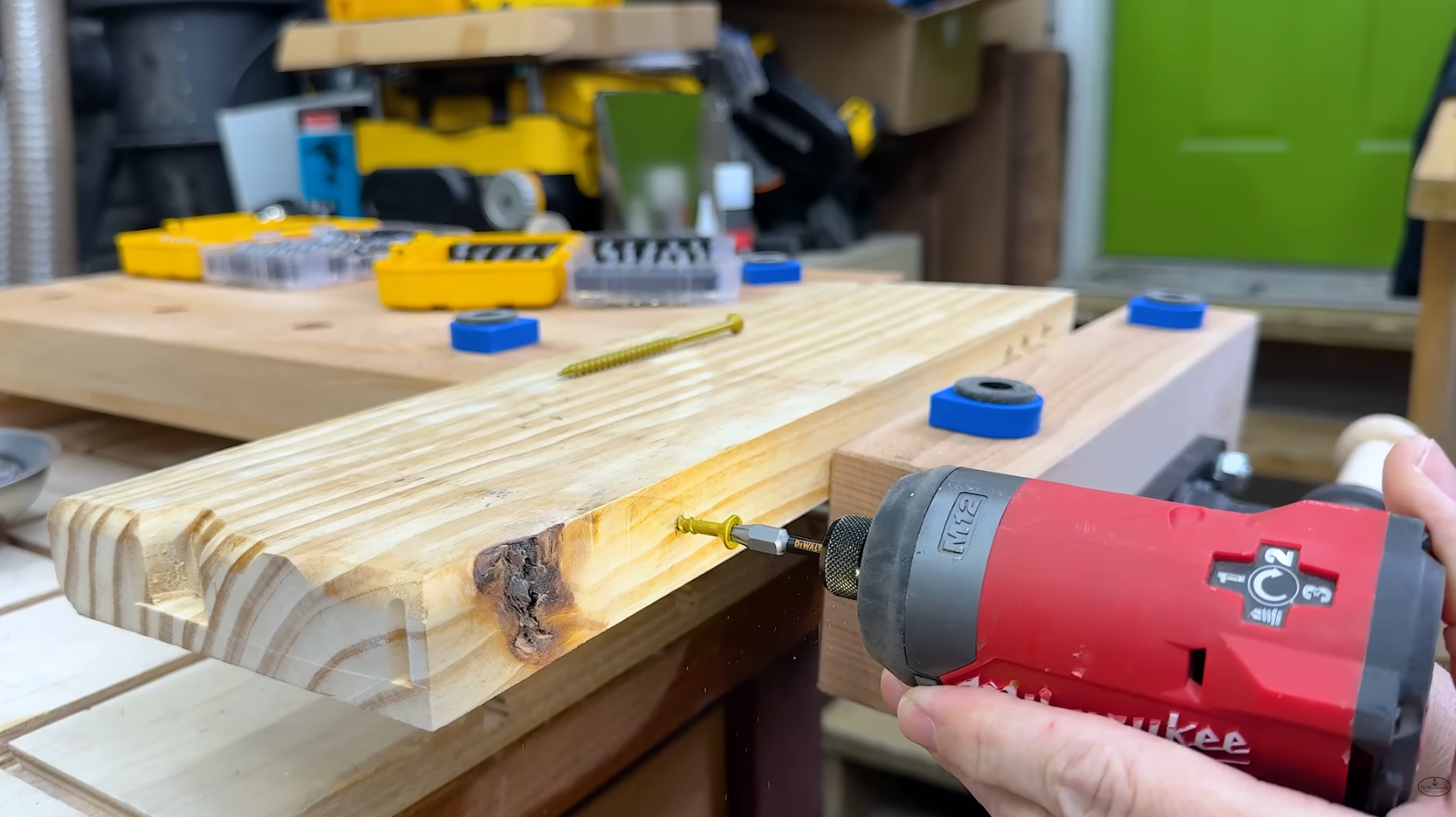
A Solid Drill/Driver: I personally love the Milwaukee M12 FUEL Drill Kit—it’s lightweight but has plenty of torque for woodworking.
Countersink Bits: These let the screw head sit flush or just below the surface for a professional look. Get a Countersink Bit Set here.
Magnetic Trays: Stop dropping your hardware in the sawdust! A Magnetic Tray is a lifesaver.
Final Thoughts & Your Homework
Here’s your homework: Go into your shop and find that old coffee can full of rusty, mixed-up Phillips and drywall screws. Throw them out. They are costing you more in frustration and ruined projects than they are worth in "savings."
Start fresh with quality Torx screws and a dedicated organizer. Your sanity (and your projects) will thank you.
Want more woodworking tips and daily tool deals?
Join our Woodworking Community: Connect with me and hundreds of other makers over at our Skool Community.
Sign up for Daily Tool Deals: Don't pay full price! Get the best deals delivered to your inbox every day.

I talked with five CNC makers at two of the biggest woodworking shows to find the best CNC for small shops. Here is which one fits your space, from a desk to a full 4x8 sheet.